


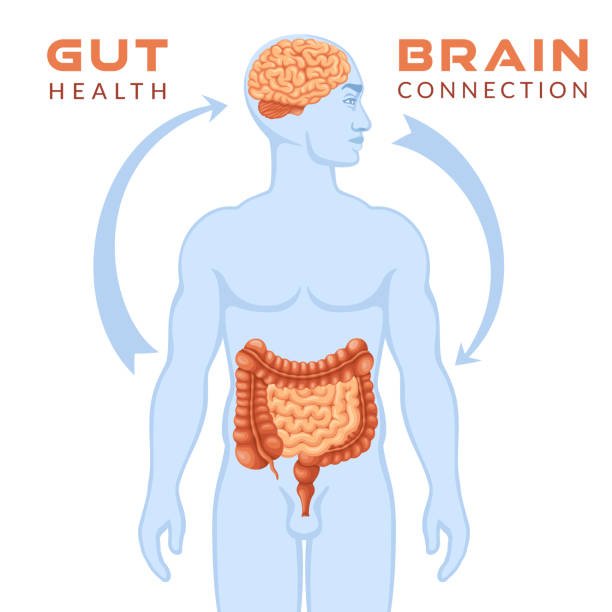
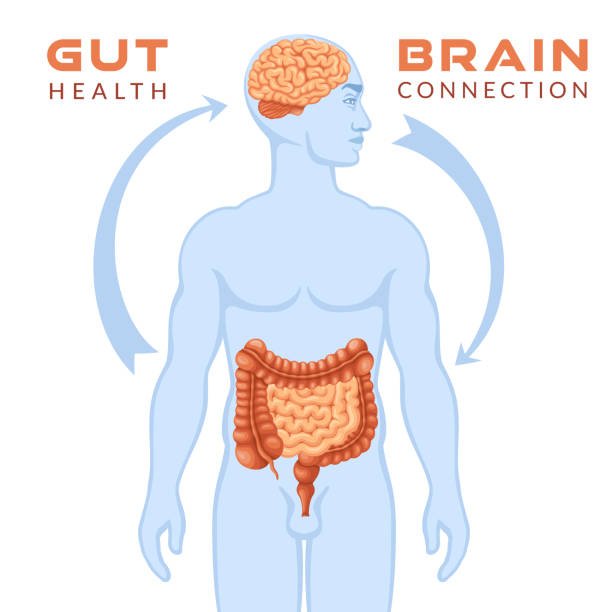
We’ve all heard the phrase “trust your gut,” but science is now proving that your digestive system is essentially your “second brain.” From your mood and skin clarity to your immune system’s strength, your gut microbiome—the trillions of bacteria living in your intestines—is pulling the strings.
If you’re feeling sluggish, bloated, or just “off,” your microbiome might be out of balance. The good news? You don’t need a restrictive “detox” to fix it. Here are five science-backed habits to help your gut thrive.
- Prioritize Diverse Plant-Based Foods
Research suggests that people who eat more than 30 different types of plants per week have significantly more diverse gut microbiomes than those who eat fewer than 10.
Pro Tip: Don’t just stick to spinach. Rotate your grains, seeds, nuts, and colorful veggies.
- Embrace the “Fermented Five”
Fermented foods are natural probiotics. They introduce beneficial live bacteria directly into your system. Try to include one serving a day of:- Kefir
- Sauerkraut (unpasteurized)
- Kimchi
- Miso
- Tempeh
- Focus on Prebiotic Fiber
If probiotics are the “seeds,” prebiotics are the “fertilizer.” These are non-digestible fibers that feed your good bacteria.
Look for foods like: Garlic, onions, leeks, asparagus, and slightly under-ripe bananas.
- Manage Your Stress Levels
The gut-brain axis is a two-way street. Chronic stress can increase gut permeability (often called “leaky gut”) and alter the composition of your bacteria. Even 10 minutes of daily meditation or mindful breathing can physically change how your digestion functions. - Get Better Sleep
Irregular sleep patterns can disrupt your microbiome’s internal clock. Aim for 7–9 hours of quality rest to allow your digestive tract to repair and reset.
The Bottom Line
Improving your gut health isn’t about a weekend “cleanse”—it’s about consistent, small choices. Start by adding one fermented food to your lunch today and see how you feel in a week. Your “second brain” will thank you!
Disclaimer: This content is for informational purposes only and does not substitute for professional medical advice. Always consult with a healthcare provider before making significant changes to your diet.